01 Basel, Switzerland
Small jobs, done by hand, over and over — that AI could do in the blink of an eye.
Rebuilding the same document in the same template. Copying data between two systems that refuse to talk to each other. Sorting the same enquiries into the same three piles. Every company has a few of these, and most of them can be handed to AI.
02 The problem
The work that eats the week is rarely the work you are paid for.
It is the retyping, the reformatting, the checking of something that was already checked. None of it is judgement and all of it is typing. Nobody wrote it into a process document, so nobody counts it — and it quietly takes a morning a week off somebody who should be doing something else.
Your version of it will not be anyone else’s. Finding out what it actually is takes one call.
Of my workflows that I have already built, here are a few examples
03 Ideas
Five parts of a business that AI can take over.
Most of these will not be your problem. They are here so you can see the shape of the thing. Select an area.
- SalesA lead arrives, gets checked against your own criteria, and lands in front of the right person with a draft reply already written.
- CRMContacts, notes and next steps kept current from what was actually said in the email, rather than from what somebody remembered to type in later.
- ReportsThe weekly numbers pulled from wherever they live, put into the same format, and sent out on their own.
- QuotesA customer describes the job and a costed quote comes back, priced off your own rate card, the same way every time.
- InboxEnquiries read, sorted and routed, and the ones where the answer is always the same answered without anybody opening them.
04 Who you would be working with
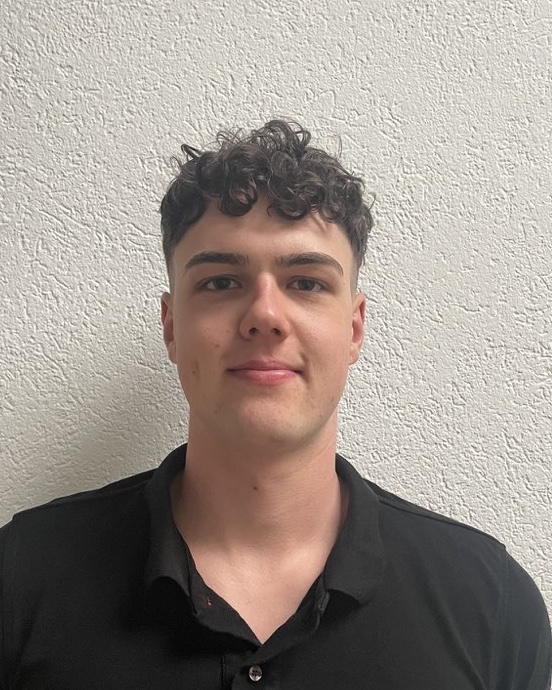
Johan · SwissTechFlow, Basel
I am Johan, and I am located in Basel.
AI has fascinated me since it first arrived. All the way through school I used it constantly — not for schoolwork, but to find out how far it could actually be pushed and what it could be made to do. I finished school in summer 2026 and went straight into building AI automation full time.
Since then I have built systems that read documents, watch competitors, price work from published catalogues and file enquiries where they belong. The part I enjoy most comes before any of that: sitting with someone, listening to how their week actually runs, and finding the job that a machine should have been doing all along.
05 How it works
Here is what happens next.
-
Step 01
A call, forty-five minutes
We map how your week actually runs — what your team opens, retypes, copies and checks. Nothing to prepare. What I am listening for is the thing everybody has stopped noticing because it has always been done that way.
-
Step 02
A written page back
The three most automatable tasks from what you described, each with an estimate of what it is costing in time. Yours to keep whether or not we ever speak again.
-
Step 03
The first build
One of those three, built properly and handed over working. If it does what it should, we talk about the next one.
- Based
- Basel, CH
- First call
- 45 min
- First build
- Handed over working
06 Get in touch
If there is a task your team does every week that everyone quietly hates, tell me about it.
Those are exactly the problems I am looking for right now.
or email johan@swisstechflow.ch directly